
Contemporary house plans are all about blending modern aesthetics with functional design, creating spaces that reflect today’s lifestyle. These plans incorporate a variety of architectural elements that have evolved over time, showcasing popular styles and innovative features that cater to the needs of modern homeowners.
With an emphasis on sustainability, open layouts, and outdoor living spaces, contemporary designs provide the perfect foundation for comfortable and stylish living. From eco-friendly materials to innovative technology, these plans are crafted to enhance the quality of life while responding to the demands of contemporary society.
Contemporary House Plans Overview
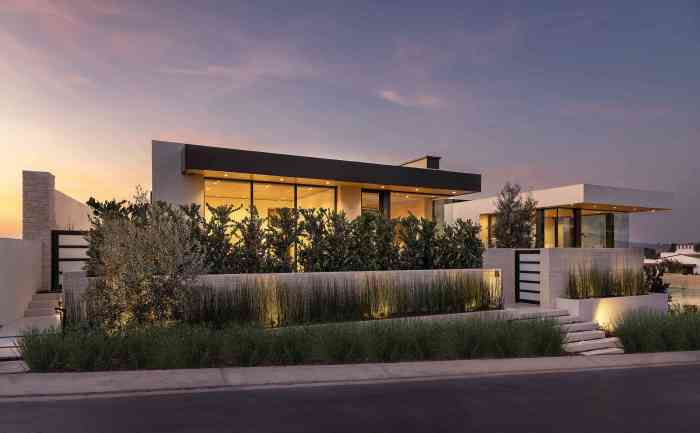
Contemporary house plans represent a blend of modern design principles, functionality, and aesthetic appeal. These plans are characterized by open spaces, clean lines, large windows that let in natural light, and a strong connection between indoor and outdoor environments. Understanding the evolution of these designs helps appreciate their significance in today’s architectural landscape.The concept of contemporary house design has evolved significantly over the years, drawing inspiration from various architectural movements such as modernism, minimalism, and even postmodernism.
This evolution has led to unique styles that prioritize both form and function, ensuring homes are not only visually appealing but also livable. Popular architectural styles encompassed within contemporary plans include mid-century modern, neo-eclectic, and even some elements of industrial design.
Importance of Functional Design
Functional spaces are a cornerstone of contemporary house plans. They provide a seamless living experience, where the layout directly impacts usability and flow. Effective design ensures that each area of the home serves a purpose while maintaining a sense of openness.A well-thought-out layout can significantly enhance the livability of a home. For instance, the integration of common areas such as kitchens and living rooms creates a communal atmosphere, inviting interaction among family members.
In smaller contemporary homes, maximizing space is crucial; strategies such as multi-purpose furniture, built-in storage, and open shelving can make a significant difference in functionality without compromising style.
Sustainable Features
Sustainability is a key focus in contemporary house plans, with numerous eco-friendly features being integrated into modern designs. These features not only benefit the environment but also enhance the quality of life for residents.Renewable energy options, such as solar panels and geothermal heating, are increasingly being incorporated into contemporary architecture. Additionally, the use of eco-friendly materials, like bamboo flooring and recycled steel, promotes a sustainable approach to construction.
Such materials not only reduce the carbon footprint but also contribute to the overall efficiency of the home.
Interior Design Trends
Current trends in interior design for contemporary homes emphasize simplicity and functionality. Minimalism remains popular, with a focus on neutral color palettes, natural materials, and ample natural light.Open floor plans are a hallmark of contemporary design, enhancing the sense of space and allowing for flexible usage of areas. When it comes to furnishings, selecting pieces that complement contemporary aesthetics is essential; think clean lines, geometric shapes, and a mix of textures to create a warm yet modern atmosphere.
Outdoor Living Spaces
Outdoor living areas are an integral part of contemporary house plans, merging the inside with the outside in a harmonious way. Features such as patios, decks, and landscaped gardens enhance the overall living experience.For example, a spacious deck can serve as both a relaxation space and an entertaining area, while well-planned gardens can provide a sense of tranquility and connection to nature.
Effective landscaping not only enhances the enjoyment of outdoor spaces but also significantly boosts the value of the contemporary home.
Business Implications in Architecture
Contemporary house plans are shaping the construction industry by pushing for innovative designs and sustainable practices. Architectural firms that specialize in modern designs can create distinctive branding that sets them apart in a competitive market.Moreover, understanding the financial aspects, including accounting practices in project management, is crucial for construction firms. Properly managing budgets and timelines ensures that projects are completed efficiently while meeting clients’ expectations.
Marketing Strategies for Architects
Effective marketing techniques are essential for promoting contemporary house plans. Architects can leverage digital media to showcase their designs innovatively, utilizing platforms like social media, virtual tours, and engaging websites.Customer service best practices also play a vital role in the architecture and design industry. Building strong relationships with clients fosters trust and encourages referrals, ultimately leading to business growth.
Career Opportunities in Architecture
For aspiring architects, focusing on contemporary design opens numerous career opportunities. Gaining practical experience through internships and networking is immensely beneficial in establishing a foothold in the industry.Necessary qualifications typically include a degree in architecture and relevant certifications. Key skills, such as creativity, technical proficiency, and communication, are essential for success in architectural firms.
Change Management in Construction Projects
Change management principles are vital in architectural projects, particularly when adapting to evolving client needs. Effectively managing client expectations during design changes can mitigate dissatisfaction and enhance project outcomes.Strategies such as maintaining open communication and providing clear documentation can help ensure continuity during project disruptions, resulting in smoother transitions and successful project completion.
Ethical Considerations in Design
In the field of architecture, ethical considerations are paramount, especially in the creation of contemporary house plans. Architects have a responsibility to promote sustainability and make environmentally conscious decisions in their designs.Transparency with clients and stakeholders is also crucial. Building trust through open dialogue about design choices and their implications fosters a positive working relationship and promotes ethical practices in the industry.
The Role of Human Resources in Architecture Firms
Human resources strategies are essential for attracting and retaining talent in architectural firms. By fostering a supportive workplace culture, firms can enhance creativity and innovation among employees.Training and development programs are vital in ensuring that team members are equipped with the latest skills and knowledge. A positive workplace culture encourages collaboration and ultimately leads to successful project outcomes.
Innovations in Architectural Technology
Advancements in technology are significantly influencing contemporary house planning. The use of software tools for designing and visualizing homes has transformed the architectural process, allowing for greater accuracy and creativity.Comparing traditional architectural tools with modern technology highlights the benefits of innovation, including increased efficiency and improved client engagement. These developments continue to shape the future of architectural design, paving the way for exciting new possibilities.
Final Wrap-Up
In conclusion, contemporary house plans represent a harmonious blend of style, functionality, and sustainability, making them an ideal choice for today’s discerning homeowners. As we continue to embrace modern design, these plans not only reflect personal tastes but also pave the way for a more sustainable future in architecture.
Query Resolution
What are the key features of contemporary house plans?
Key features include open floor plans, large windows for natural light, sustainable materials, and integration with outdoor spaces.
How do contemporary house plans differ from traditional designs?
Contemporary house plans focus on minimalism, functionality, and sustainability, whereas traditional designs often emphasize ornate details and structured layouts.
What are some popular architectural styles in contemporary house plans?
Popular styles include modern, mid-century modern, and minimalist designs, each offering unique characteristics and appeal.
Can contemporary house plans be customized?
Yes, many contemporary house plans are customizable to fit individual preferences and specific site conditions.
What role does sustainability play in contemporary house planning?
Sustainability is crucial, with a focus on energy efficiency, renewable resources, and environmentally friendly materials in the design and construction process.


