
Marketing consulting strategy is a vital component for any business aiming to thrive in today’s competitive landscape. It serves as a roadmap, guiding companies through the complexities of market dynamics and consumer behavior. By understanding the fundamentals of marketing consulting, businesses can effectively harness its potential to drive growth and enhance brand visibility.
This strategy encompasses everything from market research to tailored marketing plans, ensuring that each business’s unique needs are addressed. As we dive deeper, we will explore the key elements that contribute to a successful marketing consulting strategy and how they can be integrated with other business functions.
Understanding Marketing Consulting Strategy
Marketing consulting strategy is a crucial element for businesses aiming to enhance their market presence and achieve sustainable growth. This strategy encompasses a structured approach to identifying, developing, and implementing marketing initiatives tailored to the unique needs of a business. The importance of a well-defined marketing consulting strategy cannot be overstated, as it directly influences customer engagement, brand loyalty, and overall business performance.Key components that make up an effective marketing consulting strategy include thorough market analysis, target audience identification, competitive analysis, and strategic planning.
By understanding these components, businesses can effectively position themselves within the marketplace and optimize their marketing efforts. However, creating an effective marketing consulting strategy often faces challenges such as limited resources, evolving market dynamics, and the need for accurate data.
Developing a Tailored Marketing Plan
Designing a customized marketing plan for a specific client involves several steps that ensure the plan aligns with the client’s goals and audience needs. Firstly, conducting an in-depth market research is essential. This research helps gather insights into market trends, customer behaviors, and competitive landscapes. Effective methods for conducting this research include surveys, focus groups, and data analysis.Once the research is complete, the next step is setting measurable goals and objectives within the marketing plan.
A SMART framework—Specific, Measurable, Achievable, Relevant, and Time-bound—can guide this process, enabling businesses to track progress and adapt strategies as needed.
Integrating Business Accounting with Marketing Strategies
Understanding business accounting principles significantly enhances the effectiveness of marketing consulting. Marketing consultants who grasp financial metrics can better allocate budgets and forecast potential revenues from marketing initiatives. This financial forecasting plays a critical role in determining the viability of campaigns before they are launched.In addition, accounting metrics such as return on investment (ROI) and customer acquisition cost (CAC) are essential in evaluating the success of marketing campaigns.
By analyzing these metrics, consultants can provide actionable insights to optimize future marketing efforts.
The Role of Branding in Marketing Consulting
Developing a strong branding strategy is integral within the marketing consulting framework. A successful branding strategy involves creating a unique value proposition, consistent messaging, and visual identity that resonates with the target audience. Brand consistency is vital as it reinforces customer perception and builds trust over time.Examining case studies of successful brand transformations can offer valuable lessons. For instance, renowned brands that underwent comprehensive rebranding efforts often saw significant improvements in market share and customer loyalty as a result of strategic consulting interventions.
Marketing Strategies for Different Industries
Marketing strategies vary widely across different industries, with unique approaches tailored to specific needs. For example, the construction industry often emphasizes relationship building and bidding processes, whereas business agriculture may focus on sustainability and product quality.Specialized sectors like architecture and interior design present unique challenges, such as navigating client expectations and showcasing creativity. Effective advertising techniques in these fields include visual storytelling and leveraging social media to showcase portfolio work.
Enhancing Customer Service through Marketing
A robust marketing consulting strategy can greatly enhance customer service operations. By incorporating customer feedback into marketing strategies, businesses can continuously improve their offerings and address customer pain points effectively.Best practices include utilizing customer satisfaction surveys and analyzing online reviews to gather insights. There is a strong correlation between customer satisfaction metrics and marketing success; satisfied customers are more likely to become repeat buyers and brand advocates.
Change Management in Marketing Consulting
Change management is critical in implementing effective marketing strategies. A structured approach to managing change involves clear communication, stakeholder engagement, and training programs to ensure all team members are aligned with the new strategies.Organizational culture plays a significant role in the adoption of new marketing practices. A culture that encourages innovation and values feedback can greatly facilitate successful change management.
The Intersection of Human Resources and Marketing Consulting
Human resources play a vital role in supporting marketing consulting efforts through talent acquisition and workforce development. Attracting skilled marketers who understand the nuances of the industry can significantly enhance the effectiveness of marketing strategies.Employee training programs are also crucial in executing marketing strategies successfully. Ensuring that team members are well-versed in the latest marketing trends and tools can lead to improved campaign outcomes.
Moreover, internal branding helps align employee behavior with the broader marketing goals of the organization.
Ethical Considerations in Marketing Consulting
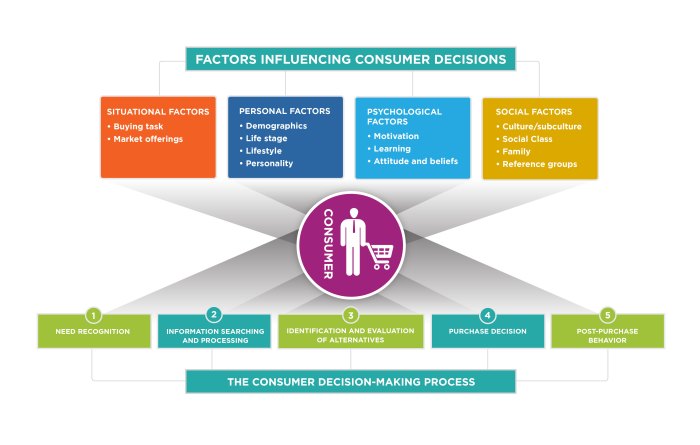
Marketing consultants often face ethical dilemmas, which can impact their strategies and client relationships. Transparency and honesty are paramount in marketing practices, as they foster trust and credibility with clients and consumers alike.Guidelines for maintaining ethical standards include prioritizing customer privacy, avoiding misleading claims, and ensuring that all marketing materials are truthful and substantiated.
Future Trends in Marketing Consulting
Emerging trends are continuously shaping the landscape of marketing consulting. Key trends include the increased integration of artificial intelligence in marketing strategies and the growing importance of data analytics.Technology is transforming traditional marketing methodologies, allowing for more personalized and data-driven approaches. A scenario analysis of potential future challenges reveals that marketing consultants may need to adapt to rapid technological changes, evolving consumer preferences, and increasing regulatory scrutiny in the industry.
Last Recap
In summary, mastering a marketing consulting strategy is essential for businesses looking to navigate the complexities of the modern marketplace. By combining effective planning, branding, and ethical considerations, companies can foster growth and build lasting customer relationships. As we look to the future, embracing emerging trends and technologies will be crucial for staying ahead in the game.
Key Questions Answered
What is a marketing consulting strategy?
A marketing consulting strategy is a structured approach that guides businesses in creating and implementing effective marketing plans to achieve their goals.
How can marketing consulting benefit my business?
It provides expert insights, tailored strategies, and data-driven solutions to improve your marketing efforts and drive better results.
What common challenges arise in marketing consulting?
Challenges include misunderstanding client needs, integrating marketing with other business functions, and adapting to market changes.
How important is branding in marketing consulting?
Branding is crucial as it shapes customer perception and loyalty, making a consistent branding strategy key to successful marketing initiatives.
What role does market research play in a marketing consulting strategy?
Market research informs decision-making, helping consultants develop tailored strategies that resonate with target audiences and meet their needs.


